Sun Safety for Kids: A Parent’s Guide to a Safe and Fun Summer
Why Sun Safety Matters
Children’s skin is more sensitive than adults’, making them more susceptible to sunburn. Teaching children about sun safety early helps build lifelong healthy habits.
Use Sunscreen the Right Way
- Choose a broad-spectrum sunscreen with SPF 30 or higher.
- Apply 15–30 minutes before going outside, even on cloudy days.
- Reapply every 2 hours, or more often if swimming or sweating.
- Don’t forget easy-to-miss spots like ears, neck, tops of feet, and the back of the knees.
Dress for Protection
- Opt for lightweight, long-sleeved shirts and trousers.
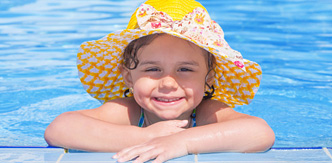
- Use wide-brimmed hats to shade the face, ears, and neck.
- Choose UV-protective sunglasses to shield eyes.
Time Outdoor Play Wisely
- Avoid outdoor activities between 11 a.m. and 3 p.m., when the sun is strongest.
- Encourage play in shaded areas like under trees, umbrellas, or canopies.
- Plan indoor activities during peak sun hours.
Keep Children Hydrated
- Offer water regularly, even if they don’t feel thirsty.
- Avoid sugary or caffeinated drinks that can lead to dehydration.
- Pack a refillable water bottle for outings.
Be Extra Cautious Near Water and Sand
- Water and sand reflect UV rays, increasing exposure.
- Reapply sunscreen more frequently when at the beach or pool.
- Use rash guards or swim shirts for added protection.
Teach Sun Safety Habits
- Make applying sunscreen part of your child’s daily routine.
- Let children pick out their own fun sun hats or sunglasses.
- Explain why sun safety is important in age-appropriate ways.
Final Tip: Check the UV Index
Before heading out, check the UV index in your area. A rating of 3 or higher means sun protection is needed. Many weather apps include this information.