
Supporting Children (Ages 5–19) with Sleep Challenges

Good-quality sleep is vital for children’s health, wellbeing, and development. The following videos, downloads and diaries have been collated by our team to help us ensure you have been given a wide range of advice, some simple strategies to carry out.
Most parents expect a few sleepless nights when they have children. But for some families, those disrupted nights can continue for months—or even years. This can leave parents feeling exhausted, isolated, and sometimes judged. If this sounds familiar, please know: you’re not alone, and things can improve.
Sleep difficulties are common:
- Around 4 in 10 children experience a sleep problem at some point.
- For children with Special Educational Needs or Disabilities (SEND), this rises to 8 in 10.
These challenges often persist and rarely resolve without support. The good news? Help is available, and positive change is possible.
Making a lot of changes at one time can be overwhelming for your child and not a sustainable plan for families, we recommend getting these first steps in place before moving on to other changes:
- Consistent bedtime routine and time.
- No screens or electronic devices at least 1 hour before bed.
- No sugary drinks or snacks at least 1 hours before bed.
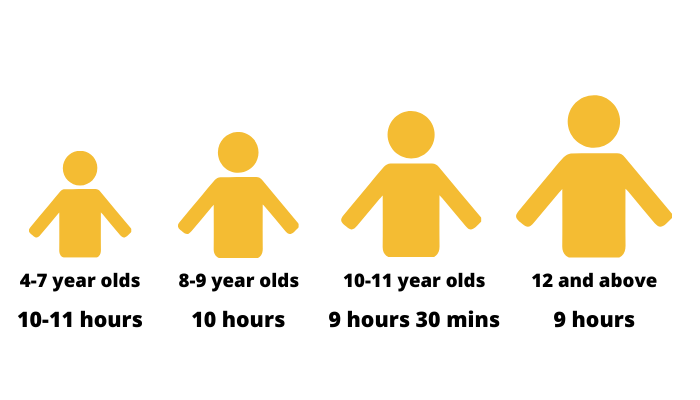
Why Sleep Matters
Good sleep isn’t just rest—it’s essential for your child’s:
- Growth & development: Promotes brain maturation, memory, motor skills, language acquisition
- Mood & behaviour: Lack of sleep can mimic ADHD, lower school performance, increase irritability
- Physical health: Supports strong immune systems and healthy weight, and reduces risk of chronic illness
Bedtime Routine & Environment
- Consistent schedule: Same wake-up and bedtime—even on weekends
- Wind-down rituals: Warm bath, bedtime story, gentle stretching, or soft music to signal bedtime
- Bedroom setup:
- Cool, dark, quiet
- Use night lights or white noise if needed
- Reserve beds for sleep only—no toys, games, or homework
Healthy Daytime Habits for Good Sleep
- Physical activity: Daily exercise and outdoor time support better night-time sleep
- Morning light: Exposure to daylight after waking helps regulate sleep patterns
- Limit naps: Shorten or avoid late naps that can disrupt bedtime
Foods that promote good sleep
- Melatonin-rich foods: Tart cherries, tart cherry juice
- Tryptophan sources: Turkey, chicken, eggs, dairy, nuts, seeds, legumes
- Magnesium & potassium: Almonds, walnuts, bananas, avocados, leafy greens, whole grains
- Calcium-rich foods: Milk, yogurt, cheese, tofu, fortified plant milks
- Bedtime snack ideas: Whole-grain toast with nut butter, warm milk, yogurt with fruit, oatmeal with nuts
- Avoid: Sugary snacks and caffeine (including chocolate) in the evening
Screen Time & Stimulants
- No screens 60 minutes before bed: Blue light inhibits melatonin (sleep hormone)
- High impact and high energy screens – if calming images can hep your child, opt for low energy
- Evening lighting: Choose dim, warm bulbs to encourage melatonin release
- Caffeine & sugar: Avoid in the late afternoon and evening
Managing Night-time Awakenings
- Return to own bed: Gently guide them back and leave the room
- Practice self-soothing: Consistent routine helps kids fall back asleep—avoid making it a habit to co-sleep
- Keep calm: Use soft voices, low light—no games or chatting that can restart stimulation.
When to Seek Help
Consult your family doctor or a sleep specialist if your child:
- Regularly has trouble falling asleep or staying asleep
- Shows daytime sleepiness, behavioural issues, or mood changes
- Night terrors, sleepwalking, or other notable disruptions
Quick Sleep-Boosting Tips
- Stick to the same bedtime & wake time daily
- Make a predictable bedtime ritual
- Create a cool, dark, clutter-free environment
- Encourage physical activity and morning sunlight
- Ban screens and bright lights before bed
- Avoid late caffeine or sugary snacks
The Sleep Charity
Cerebra
Cerebra offers short, recorded webinars available on YouTube, designed for parents of children with neurodevelopmental or brain-related conditions:
- “Countdown to Calm – A Child‑Centred Approach to Sleep Support” (Jan 2025) – practical strategies based on the CALM framework. View the video playback.
- 7 Strategies for Better Sleep – Sleep Awareness Week 2021
The downloadable sleep diary and questionnaire must be completed and returned to the School Nursing Team before we can offer some bespoke advice and support.
For more support and advice contact: Parents and carers of children and young people aged 5-19 in Buckinghamshire